
Smart Home Features to Include in Your Custom Build
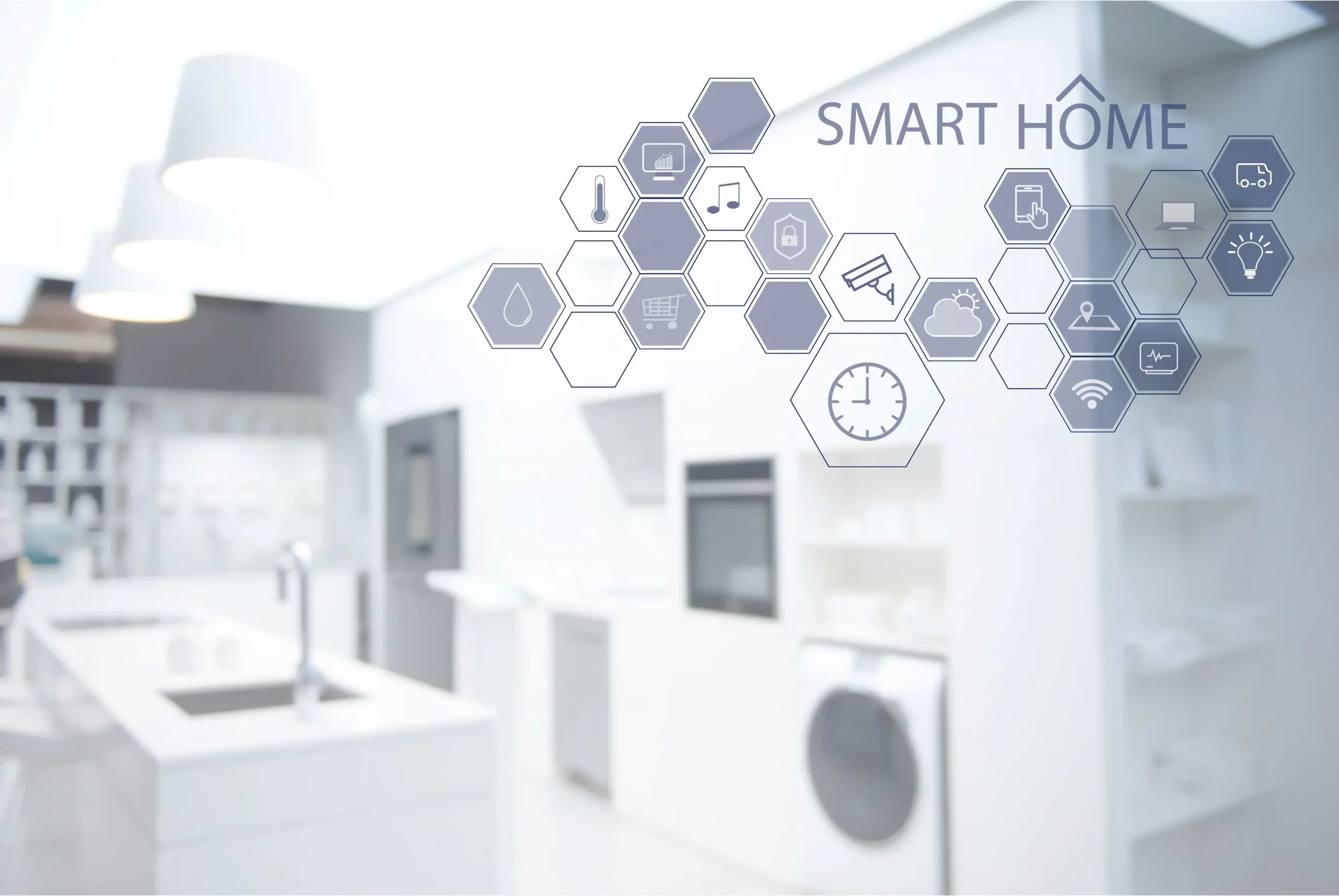
Smart home technology has moved from a luxury to a practical expectation for many homeowners across Alberta. Bellco helps clients integrate these systems during the design and construction phase, allowing every feature to work seamlessly with the home’s layout, electrical plan, and long term efficiency goals.
Why Smart Home Features Matter During a Custom Build
Planning smart technology during construction ensures cleaner wiring, better system integration, and lower installation costs. Builders can place conduits, outlets, sensors, panels, and hubs exactly where they are most effective. Homeowners also gain more flexibility to scale systems in the future because the supporting infrastructure is already in place.
Including technology early also improves energy performance, enhances user comfort, and creates a foundation for long term property value.
Smart Lighting Systems for Better Control and Energy Savings
Smart lighting improves convenience and reduces energy use through automation and personalized control. Systems can be programmed to adjust based on time of day, occupancy, or preferred lighting scenes. Motion sensors help manage hallways, garages, and exterior spaces, while smart switches provide control without replacing entire fixtures.
Homeowners can manage lighting from mobile apps or voice assistants, making it easy to adjust brightness, turn lights off remotely, or create schedules for improved security when away from home.
Climate Control and Comfort Optimization
Smart thermostats provide precise temperature control while lowering energy consumption. These devices learn user habits, adjust heating and cooling patterns, and offer remote access through a phone or tablet. Zoned heating is another key feature that gives homeowners the ability to manage temperatures in individual areas of the home.
Advanced systems can monitor humidity levels, track energy performance, and integrate with HVAC equipment to maintain steady comfort throughout Alberta’s variable seasons.
Security and Monitoring Features for Modern Homes
Security technology has become one of the most common smart home additions. Video doorbells, surveillance cameras, and smart locks allow homeowners to monitor their property in real time. Door and window sensors provide instant alerts when opened, and integrated motion detection can activate lights or cameras automatically.
Mobile access ensures homeowners can see who is at the door, lock or unlock entries, or review recorded footage from anywhere.
Energy Management and Solar Readiness
Smart energy systems help homeowners understand where power is being used and how to manage consumption more effectively. Smart meters and energy dashboards allow real time monitoring of appliances, lighting, and HVAC loads.
Preparing a home for solar integration during construction offers long term environmental and financial benefits. Pre wiring for panels, inverters, and battery storage creates a strong foundation for future upgrades. Homes designed with energy management systems can automatically balance loads to reduce strain on utility usage during peak periods.
Whole Home Automation Systems
A central automation hub connects lighting, climate control, security, audio, and other smart systems into one interface. These hubs coordinate routines such as adjusting lights at sunset, locking the doors at night, or turning off energy consuming devices when the home is empty.
Builders can pre wire for sensors, access points, speakers, and controllers so the system performs without visible cables or later renovations. Voice assistant compatibility is another important factor to consider when planning whole home automation.
Smart Home Features That Add Long Term Value
Well integrated smart features improve long term efficiency, elevate comfort, and increase property desirability. Buyers often look for homes with established automation systems because they eliminate the need for retrofits and provide immediate convenience.
Smart thermostats, lighting systems, and security features offer some of the best long term returns due to their low maintenance requirements and durability. Energy efficient systems also reduce utility bills, which adds additional resale appeal.
Choosing the Right Smart Features for Your Custom Build
Selecting the best smart technology begins with understanding your daily routines, comfort expectations, and long term upgrade plans. A strong smart home plan accounts for:
• Lifestyle needs such as automation routines or voice control
• Future expansion, including solar readiness or added zones
• Device compatibility and app management
• Pre wiring costs versus retrofit costs
• Privacy considerations and data security
• System reliability and ease of use
Working with custom home builders in Alberta ensures these features are integrated into the electrical and structural plans from the start. If you need support choosing the right mix of technologies, you can contact Bellco for planning support to align smart home upgrades with your new build.