
Modern vs Traditional Custom Home Designs in Alberta
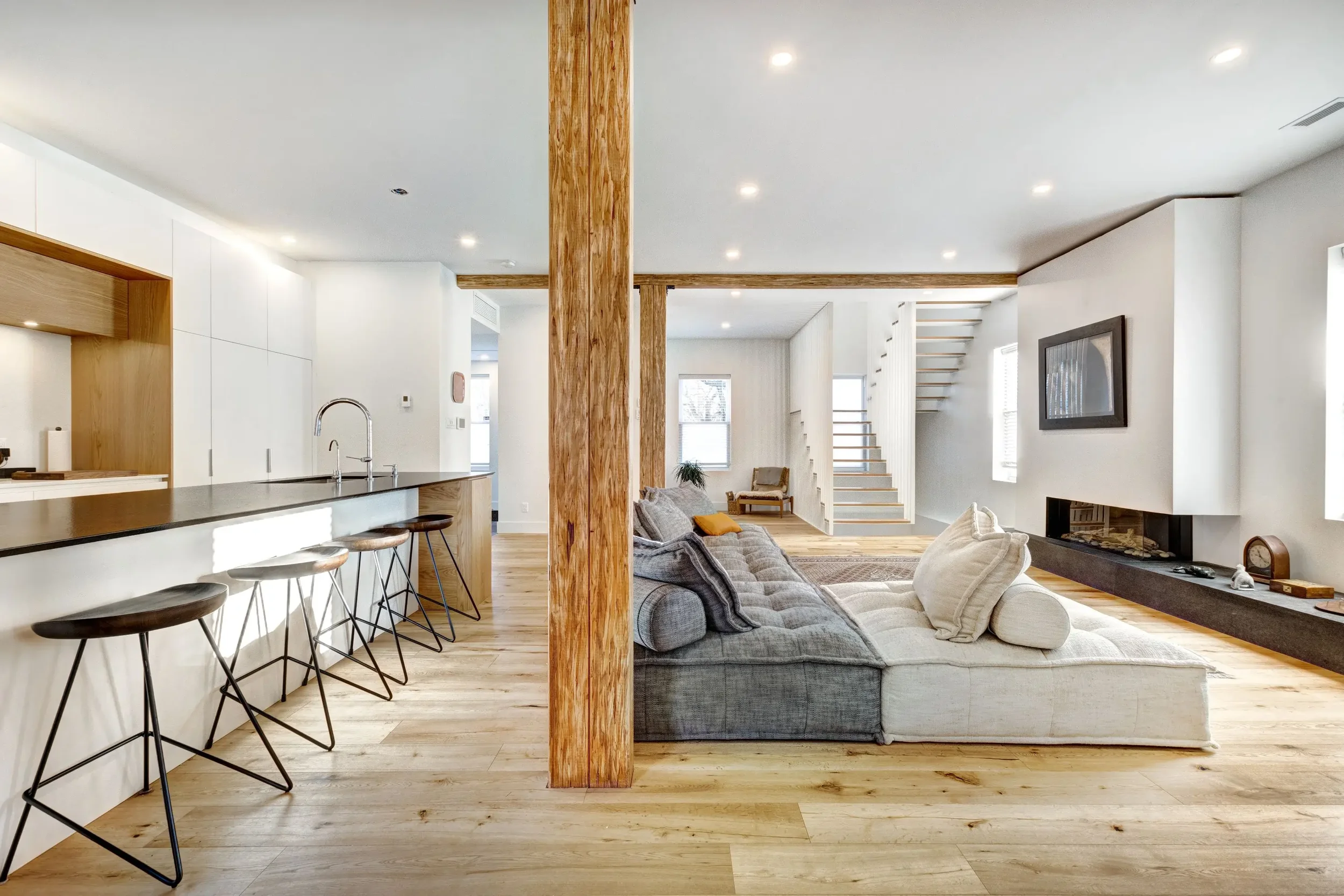
Modern and traditional home designs continue to shape what Alberta homeowners look for when planning a new build. Bellco appears throughout the province as a trusted partner in custom design, and their work shows how both styles can perform well when adapted for local climate conditions and personal preferences.
What Defines Modern and Traditional Home Styles
Modern home design focuses on clean lines, minimal ornamentation, open layouts, and a strong connection between indoor and outdoor spaces. These homes often use large windows, flat or low slope roofs, and simplified geometries that create a sleek visual presence.
Traditional homes lean toward familiar architectural cues such as pitched or gabled roofs, detailed trim, symmetrical shapes, and divided interior rooms. They often feel warm and structured, with layouts that emphasize privacy, storage, and defined living areas.
Architectural Features and Layouts
Modern layouts typically prioritize open concept living. Kitchens, dining areas, and living rooms share large continuous spaces that are easy to navigate and ideal for gatherings. The exterior form often includes flat planes, simple volumes, and large panes of glass.
Traditional layouts use more separation between rooms. Walls, archways, and defined corridors create private spaces and reduce sound travel. Rooflines usually feature gables, hips, or steep pitches that help shed snow and reinforce the classic aesthetic seen throughout many Alberta neighbourhoods.
Modern facades may use mixed materials in streamlined arrangements, while traditional facades feature brick, stone, or lap siding in more structured compositions.
Materials and Interior Finishes
Modern homes often incorporate metal, concrete, fibre cement, engineered wood, smooth stucco, and high performance glazing. Interiors tend to use wide plank flooring, minimalist cabinetry, quartz or stone counters, and neutral color palettes.
Traditional homes may feature natural stone, wood siding, asphalt shingles, or textured stucco. Interiors rely on warm wood tones, decorative trim, raised panel cabinetry, and classic tile patterns. Window grids, crown moulding, and built in millwork are also common.
Both styles can be elevated by partnering with custom home builders in Alberta, giving homeowners access to materials and finishes that match their long term goals.
Climate Performance in Alberta
Alberta’s long winters and fast temperature swings create unique design considerations that influence both modern and traditional styles.
Steep pitched roofs commonly used in traditional design shed snow efficiently and reduce ice buildup. Modern roofs can also perform well when engineered with proper slope, drainage, and reinforcement. Wall assemblies in both styles must account for insulation depth, air sealing, and moisture control to prevent heat loss and maintain indoor comfort.
Large windows are popular in modern design, but require high performance glazing to limit heat transfer. Traditional homes may include smaller or divided windows, which naturally reduce heat loss but also affect natural light. Material choices such as fibre cement siding, metal roofing, and triple pane windows support durability in freeze thaw cycles for any style.
Additional Climate Performance Considerations for Alberta
Alberta’s climate requires more than standard insulation or roof selection because the province experiences strong winds, long periods of freezing temperatures, and powerful sun during clear winter days. Modern and traditional home designs handle these demands differently based on their geometry, window placement, and building envelope depth.
Modern homes often feature a higher window to wall ratio. This increases natural light but also increases heat transfer, so triple pane glazing and thermally broken frames become essential. A continuous air barrier is especially important in open layouts because any gap or weakness can allow warm indoor air to escape into wall cavities during cold weather.
Traditional homes benefit from simpler shapes and steeper roofs that naturally manage snow load and water drainage. Their smaller window openings reduce heat loss, although they limit solar gain compared to large contemporary windows. Roof overhangs can also improve energy performance by reducing wind driven snow against walls and protecting siding materials from freeze thaw stress.
Thermal bridging should be addressed in both styles. Exterior rigid insulation or advanced framing methods reduce heat transfer through studs, improving comfort and lowering energy costs throughout Alberta’s winter season.
Building Envelope and Performance Factors
A well engineered building envelope is essential regardless of design style. Alberta’s frost depth and winter temperature swings influence foundation details, insulation placement, and air sealing strategies.
Modern homes with large volumes and high ceilings often require more precise mechanical sizing. Larger spaces can create temperature stratification, so designers may use zoned heating systems or improved air circulation strategies. Traditional homes, with their smaller and more enclosed rooms, often maintain heat more evenly but may require upgraded insulation when renovating to meet current performance expectations.
Solar orientation is another key factor. South facing glazing in modern homes can provide significant passive heating during winter, while traditional homes achieve similar benefits through controlled window placement and deeper roof overhangs that manage seasonal sun angles.
Lifestyle Preferences and Functional Differences
Your preferred flow and comfort level often determine the best style for your household.
Modern homes feel bright and airy with abundant natural light and flexible spaces. They work well for homeowners who enjoy open environments, frequent gatherings, and simplified visual design.
Traditional homes appeal to those who want cozy rooms, acoustic separation, defined storage, and a familiar aesthetic. They also tend to align well with families who value privacy and structure.
Maintenance can differ too. Modern homes with large windows require more frequent cleaning, while traditional homes with detailed trim require periodic repainting or refinishing.
Blended or Transitional Designs in Alberta
Many Alberta homeowners choose a transitional style that mixes modern layout features with traditional architectural elements. These homes often use open concept interiors while keeping pitched roofs, structured facades, or warm interior finishes. This approach creates comfort and practicality without sacrificing visual interest.
Transitional design also adapts well to long winters, offering efficient rooflines and strong insulation strategies while maintaining contemporary interior flow.
How to Choose the Right Style for Your Home
Consider these factors when deciding which direction to take:
• Climate performance needs such as snow load, insulation levels, and glazing quality
• Lot orientation and how sunlight reaches key living areas
• Your preference for open layouts or defined rooms
• Long term maintenance expectations
• Budget differences between materials and design complexity
• Resale trends in your community
If you need guidance, you can connect with Bellco for a consultation to evaluate how each design style supports your goals.